Foods for Hot Flashes
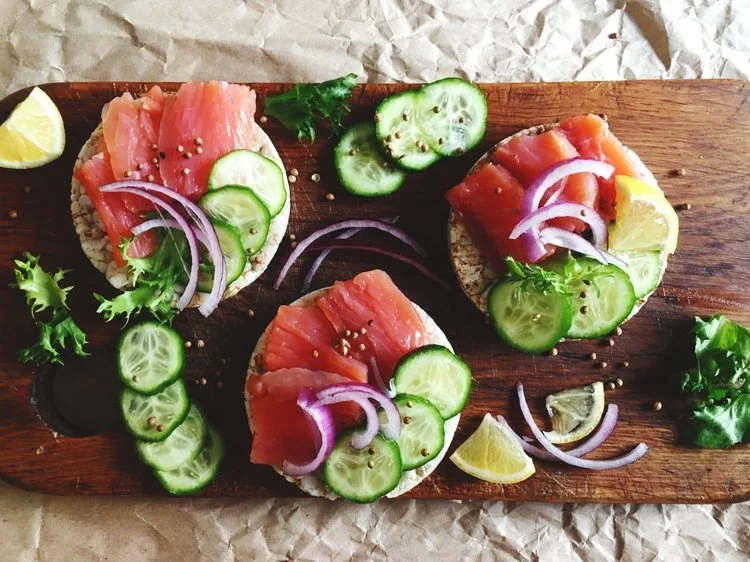
Hot flashes suck, whether they are caused by menopause or other hormonal imbalances, or even as a side effect of medication. Some younger women are surprised when they get them, but they can happen for many different reasons.
Luckily there are gentle ways of nudging your body back into alignment, one of which being the foods you eat.
Hot Flashes & Yin Deficiency
To understand why hot flashes occur you must first have an understanding of the role Yin plays in Chinese medicine. Yin is the more feminine, cooling, calming, energy we have within us, as opposed to Yang which is the masculine, warming, and invigorating energy. Instead of the body having too much Yang, hot flashes are usually caused by Yin deficiency because the system has a hard time cooling itself down, so you get flareups of heat.
Estrogen is a very Yin hormone, while progesterone is more Yang. Yin deficiency is typically linked to some degree of estrogen deficiency, which happens during menopause and perimenopause. Some people’s constitutions tend toward Yin deficiency and it is depleted with age or certain medications. That is to say, it can effect people of all ages and ways of life.
Eating Yin tonic foods and taking Yin tonic herbs, while avoiding the foods that deplete Yin, can regulate this imbalance and treat hot flashes. Often Yin tonic foods are also estrogenic foods, and the same is true about Yin depleting foods - they can often cause imbalances of estrogen.
Eat More Cooling/Yin Tonic Foods & Herbs
Some of the most Yin tonic foods and herbs are:
Sweet potato and other root vegetables (such as rutabaga, turnips, carrots, parsnips, etc.)
Nuts & seeds (particularly walnuts or black sesame seeds)
Mung beans, mung bean sprouts, kidney beans, black beans, soy beans & soy products (just make sure soy is always organic and non-GMO, soy is easiest to digest when it has been sprouted or fermented, such as in tempeh, nato, or miso)
Wheat germ & wheat germ oil
Barley & millet
Fish & fish oil
Seaweeds & microalgaes (such as spirulina)
All types of melon
Cucumbers
Most berries, especially goji berries
Aloe juice (may cause digestive upset in some people)
Shatavari, He Shou Wu, and Vitex aka chasteberry
In Chinese medicine cool foods don’t necessarily have to be raw vegetables. In fact, too many raw vegetables, salads, smoothies, and juices can be considered too cold for the body to digest and assimilate properly. It’s usually considered better for the body to lightly cook most of your foods - so steam, boil, or sauté.
The same goes for beverages, when they are iced and very cold, that can be too harsh on digestion. It’s generally recommended to enjoy mostly room temp or slightly warmed beverages. Especially because liquids are Yin in nature, so staying hydrated and eating liquid-filled/soupy foods are great for this pattern.
Avoid Hot Foods
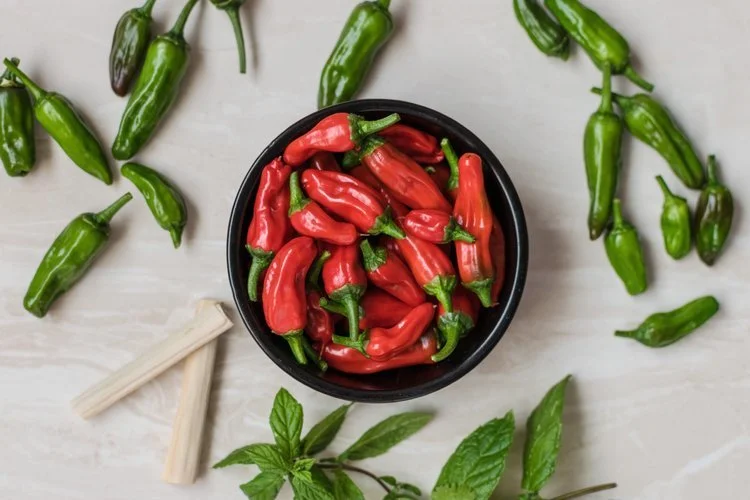
If we’re going to put effort into cooling the body down, then we’ve also got to watch out for foods that will only fuel the fire. This includes foods that are cooked at really high temps, such as foods that have been deep fried, barbecued, or roasted well-done. But hot foods also include foods that are “hot” in nature, such as:
Spicy foods
Lamb, beef, or bison
Processed foods or ingredients, especially with artificial colors, flavors, preservatives, pesticides, or other additives
Animal products with added hormones and/or antibiotics
Garlic & onions (a small amount is typically okay, but large amounts may create heat)
Alcohol
Coffee
Cigarettes (not technically a food, but they create heat within the body much like hot foods)
What else?
In some cases diet alone may not be enough to calm hot flashes. In addition to the herbs listed above I typically recommend working with a trained herbalist who can prescribe custom herbs for your unique pattern. The same is true with acupuncture, it can be quite effective if you work with a licensed practitioner who can balance your hormones with proper treatment.